In the middle of the Ría de Arousa, on the right bank and on the southern slope of the Barbanza range, the Ruta Traslatio reaches the town of Boiro, halfway between Rianxo and A Pobra do Caramiñal.
The town of Boiro has around 19,000 inhabitants and an economy based on fishing, mussels, farming, textiles and, increasingly, tourism. It lies on the “Ría de Arousa”.
Beaches, manor houses and archaeological remains

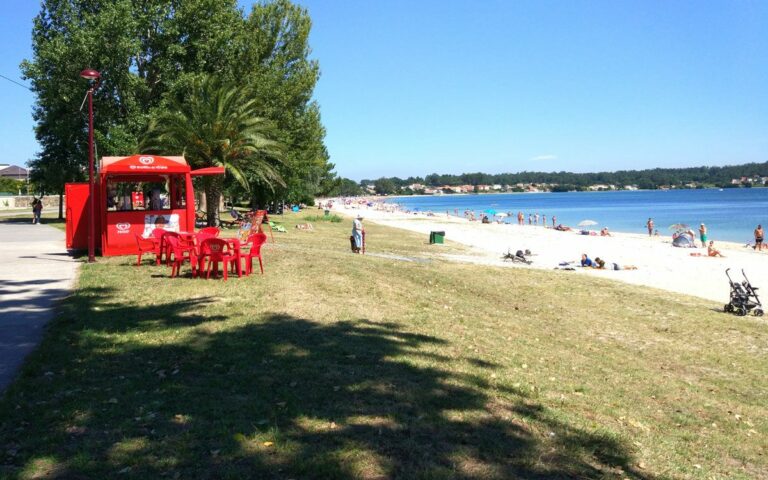
Boiro has a long, attractive beach (with green areas running alongside it), some beach restaurants and a town centre with many shops and hotels, 1 km from the beach.
The two main beaches are Barrana and Cabo de Cruz, both with fine sand.

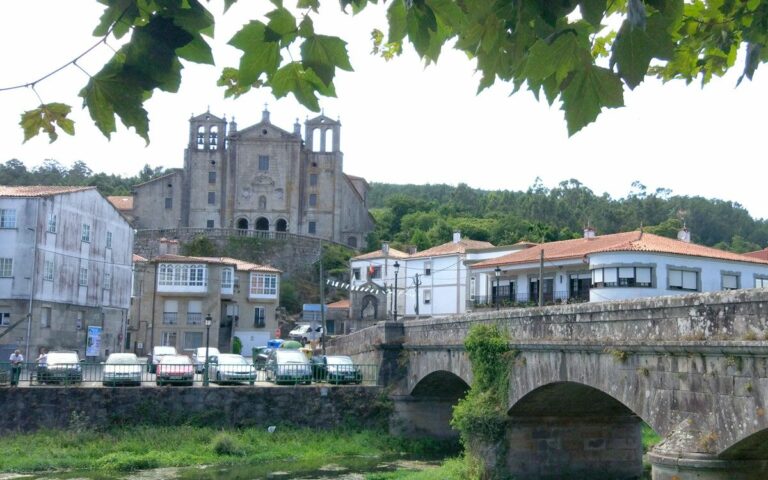
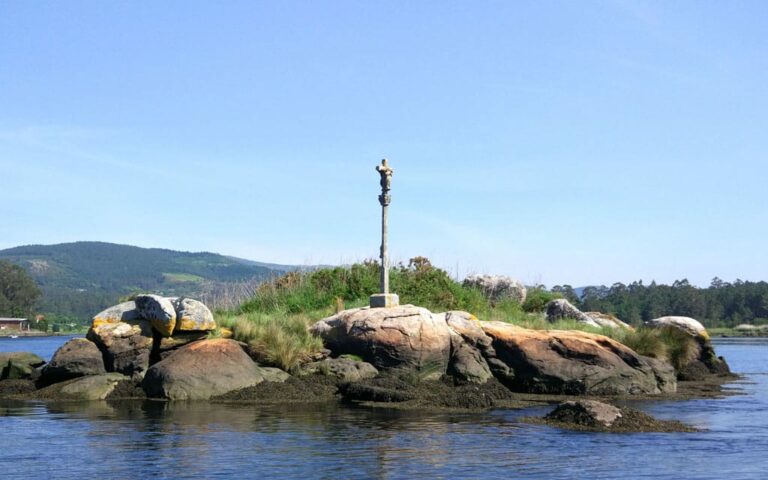
Boiro has several archaeological remains, such as the “Castros de O Neixón” (one of the main pre-Roman archaeological sites of Arousa), “Cota da Morela” and “A Moureira”, with remains of a Roman road between them, as well as some old Romanesque churches in the parishes of Abanqueiro and Cespón, where you can also admire an interesting triple cruceiro.
Other sights in the area are the Pazo torre de Goiáns, a tower house from the mid-16th century, and the Pazo de los Piñeiro, of the Marquises of Bendaña and Counts of Canillas, in Agüeiros.
Festivals and food
Like most Galician towns, Boiro has many festivals, the main ones in July. Among the religious festivals, “Santa Eulalia” and the “Virgen del Carmen”, patron saint of fishermen, are the most important. The latter takes place at Cabo de Cruz and is known for its procession at sea. In August there is As Festas do Mexilón, the mussel festival, with mussels and sardines for everyone.

In and around the town centre there is much more to see, such as parks and green areas, or you can go a little further to visit the Curota viewpoint, the Corrubedo dunes, the natural pools of the River Pedras, Porto do Son and Portosín.

Boiro will no doubt be a great stop as you sail the Ruta Traslatio!